

Our Story
“siga Siga”
Siga siga means “slowly, slowly” in Greek. It is our pace, our philosophy, and the way we want to live.
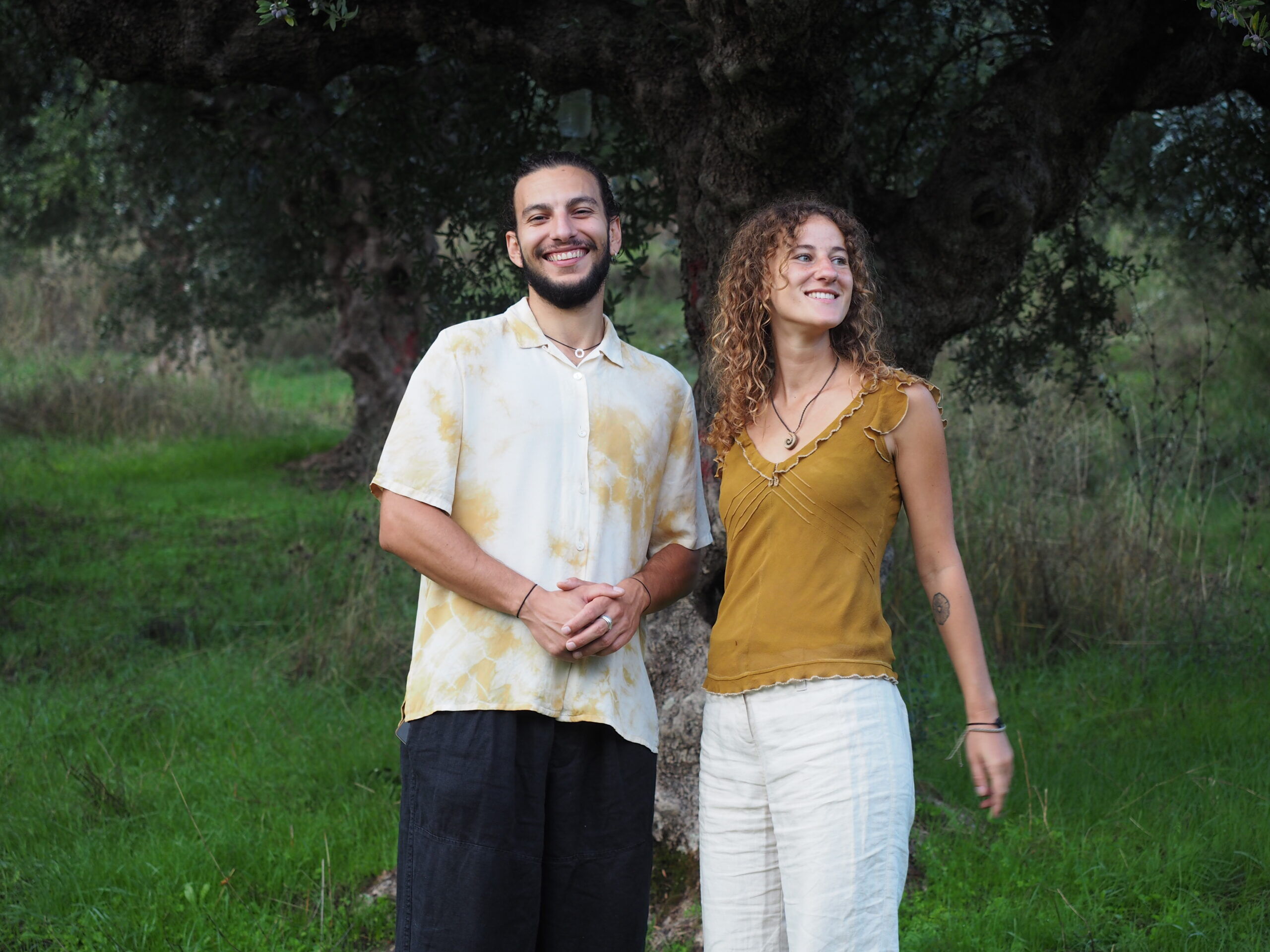
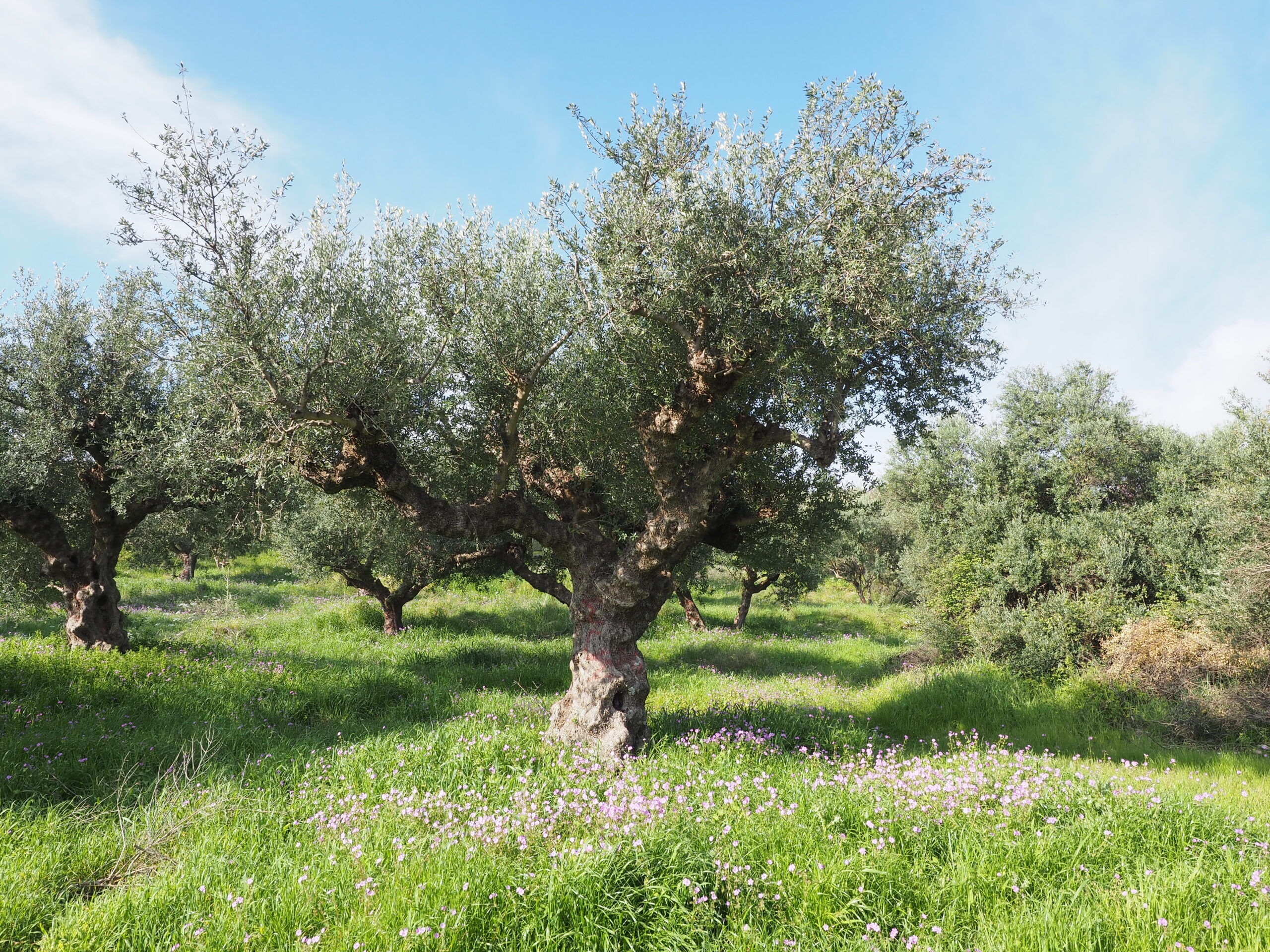
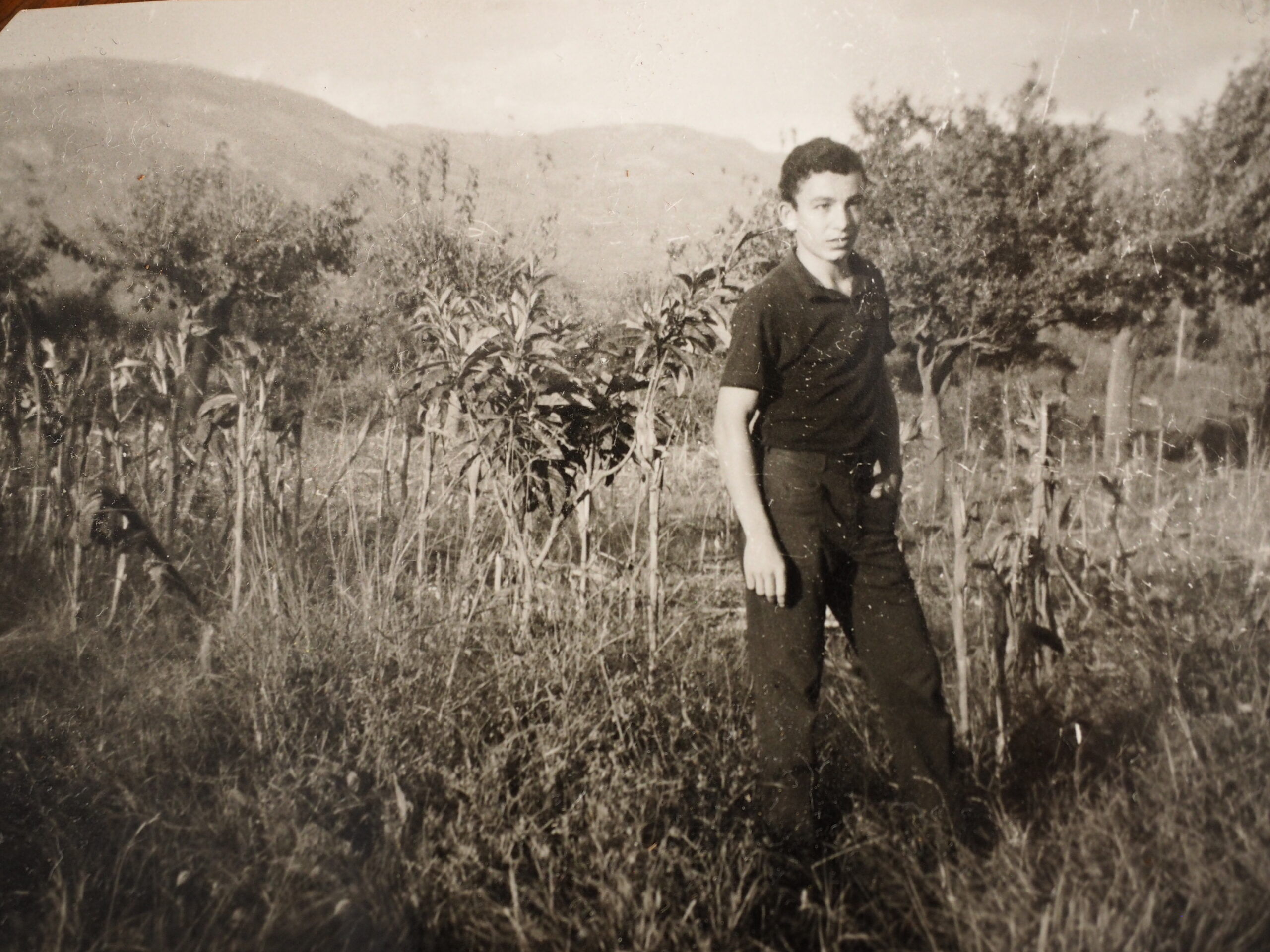
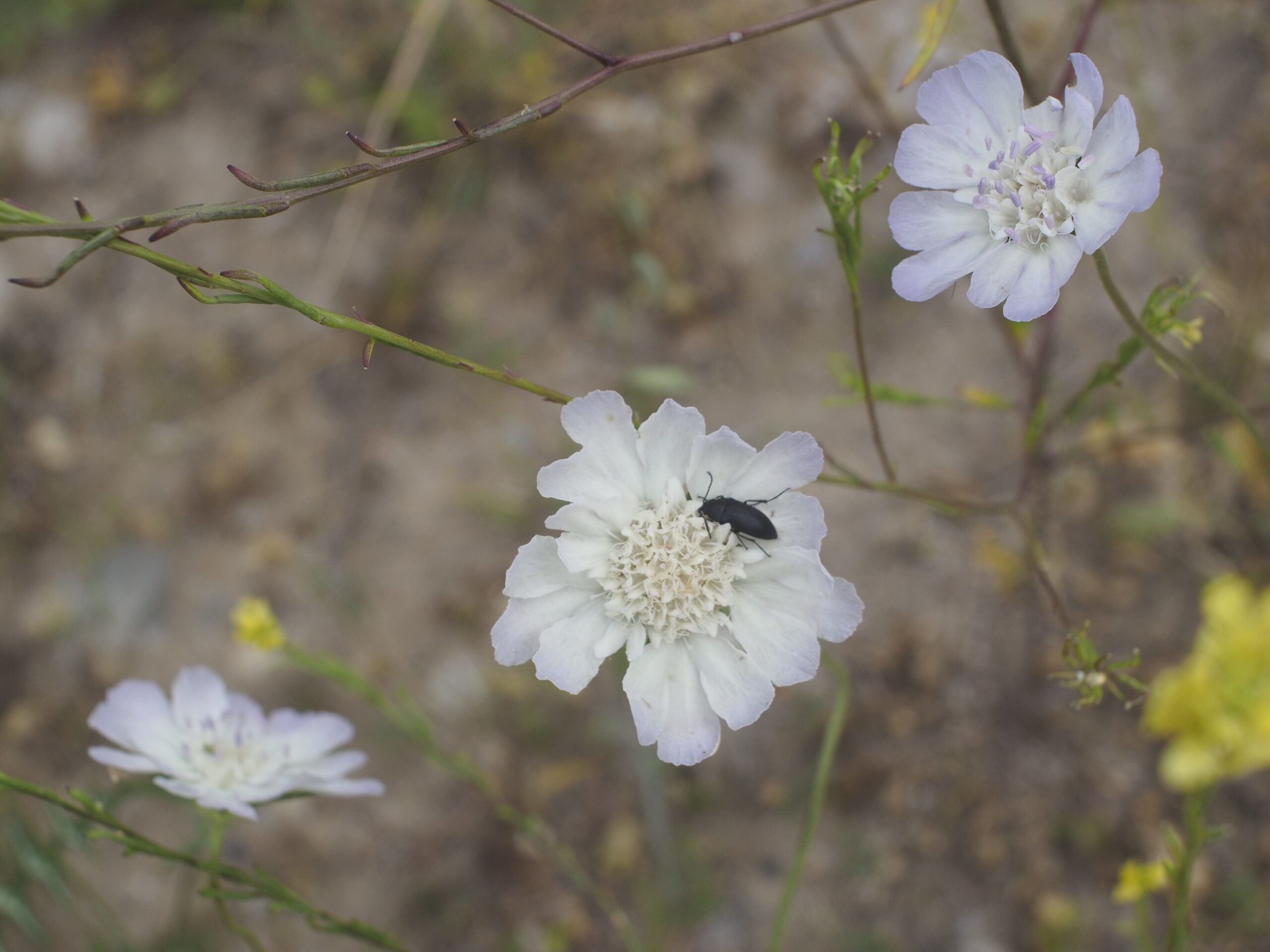
We are a small collective making olive oil and other natural goods, all shaped by a simple idea. We move at nature’s pace, and do not take more than the land can give.
We begin with what our fields can give first. What we cannot yet produce ourselves, we source as close to home as possible through people we know and trust. Over time, our aim is for a greater share of what we make to come directly from our own land.
Our vision is simple, to build a life and a business that follows the rhythm of the land.
We want to grow by understanding this place more deeply, refining our craft, and keeping every step close enough to know it, question it, and stand behind it.
Siga Siga is a making project, and every product has the same foundation. Our hands, our land, and the work it takes to do things properly.
We found each other in the Netherlands — Joy from the Netherlands, Yiorgos from Greece — and over time built a life closer to the land in Messinia.
Joy came to Greece out of love.
“The longer I am here, the more I grow roots.”
“Through natural dyeing with local plants, I have been building a relationship with this landscape season by season. Gathering, observing, and learning the uses of what grows around me has become one of my ways of belonging to the place I now call my second home.”
Yiorgos’s bond with the land began long ago.
“This is my family’s land, and now my responsibility.”
“As a child, my father brought me back to the village he had grown up in, teaching me to recognise the different herbs, to notice the character of our place, and to carry its stories with care. Six years in the Netherlands may have changed me, but these trees never stopped calling. I returned to listen, to learn more, and to continue the work with respect for the old ways.”
Now we are here together, to care for the land, to give back to it, and to create with it.
Our family groves are rooted in North Messinia, in the Peloponnese, where the olive tree has shaped life for generations.
The Stavropoulos family’s relationship with this land reaches back to around 1850. For five generations, the olive tree has been at the centre of work, memory, and continuity here.
For us, heritage is not something decorative. It is a responsibility carried across generations. To be entrusted with a land like this is not simply to benefit from it. It is to care for it well, to learn what it asks of you, and to leave it stronger than you found it. That is why we keep our work close and personal.
Five generations. Five fields. One standard.
Our grove is not simply where things are produced. It is a living relationship.
We do not farm for maximum output. We farm for balance. That means keeping space between trees, not spraying, not relying on big machines to rush the work, harvesting by hand, and following the season instead of fighting it.
Because the grove is not a factory. It is an ecosystem.
Bees and insects are not an extra. They are the quiet workers behind everything. Soil, wild plants, and the weather all shape what is possible here. Alongside the olive groves, one of our fields is growing into a food forest. Full of fruit trees, nut trees, and herbs that continue to live on in our natural cosmetics and plant-dyed fabrics. The food we harvest, the plants we gather, and even the colours that appear in our dye pots all depend on that living system remaining intact.
Some of the oldest olive trees remind us how much older a place like this is than we are. They can live for centuries, sometimes millennia. We are only one small part of a much longer story.
That perspective keeps us humble. It reminds us not to act like masters of the land, but students of it, learning season by season, paying attention to how the trees respond, and trying to keep the grove alive and well for the long term.
Life in the village moves differently.
Our olive, fruit, and nut trees live in a quiet village with around twenty elders and a great deal of wildlife. This place may seem quiet at first, but it is full of detail if you know where to look. Twice a day, a shepherd passes by with his flock. At night, we hear jackals and owls. Wild boars leave their traces on the paths to our trees, while raptors watch from above.
Here, days are measured by weather, light, and season, not by speed. You begin to notice the small signs that shape the year. The rains return. Leaves fall. Herbs rise again. The first blossoms appear. Insects return. Summer heat settles in. The trees begin to respond.
The work changes with the season too. Some days are for pruning, some for gathering, some for feeding the soil, and some just for waiting. Living this close to the land has taught us something we return to again and again. The best results do not come from rushing, they come from attention.
Nature sets the pace. We try to move with it.
For us, resilience in the land and quality in what we make are part of the same story.
Over time we have learned that soil health, biodiversity, and nutrient cycling are not side concerns. They are central to everything.
We work to build living soil and organic matter, support biodiversity, and help our trees and plants become more resilient in a changing climate. Healthier soil supports healthier trees, and healthier trees subsequently produce better ingredients.
Caring for the land begins long before any final product exists, in soil life, airflow, disease prevention, and the balance that makes healthy growth possible.
Siga Siga is growing to be a small collective, a meeting of places & skills, and backgrounds brought together by a shared way of making.
For now, it begins with Joy and Yiorgos, together with family, friends, and local partners who form part of the wider circle. When we work with others, we keep collaboration close, with people nearby, people we know, and people whose methods we trust. For us, transparency is part of quality, not only where something comes from, but who made it, and how.
Our Philosophy
“Nature does not hurry, yet everything is accomplished.” — Lao Tzu
We believe in a way of making that remains close to its source.
To home-grown instead of distant sourcing
To seasonal rhythms instead of year-round pressure
To natural ingredients instead of synthetic shortcuts
To circular practices where nothing is treated as waste
Nothing is wasted. What remains from one process becomes the beginning of another, from plant dyes to renewed fabrics, from what the land leaves behind to what can still be made from it.
In a world of fast, synthetic, and distant production, we choose something slower, closer, and more natural.